children · community · creativity · environment · family · mental health · play

Play Takes Dedication (or Samhain Resolutions)

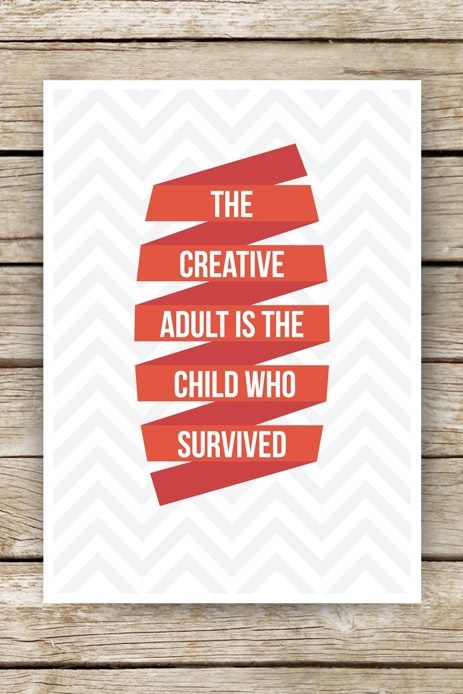
creative adult

Wow, I can’t believe it’s already November. Fall has been going fast.

It seems like I have been incredibly “busy with stuff” – kid stuff, grown-up stuff, house stuff, work stuff. Recently I realized I was forgetting to do all the also-important “me” stuff.

Again.

I mean, I wasn’t so bad; I had had several coffee dates with friends, taken time to go for more walks, was deliberately NOT folding laundry and instead just snuggling on the couch during my husband’s and my Friday night TV ritual (we won’t admit it’s a ritual but at this point it really is).

So the “little” maintenance stuff was getting done. Check.

However, I realized I wasn’t making time for the “big stuff”. The stuff that gave me purpose, that made me feel like I was contributing back to the community.

A few recent events reminded me of this.

First: Getting to attend and present at a fantastic conference two weeks ago – EPIC (Ethnographic Praxis in Industry Conference) held in Montreal this year – where I was surrounded by like-minded folks in my line of work (ethnography and studying humans in business and corporate settings). There’s nothing like being able to share your work and how you spend your days, and have people say, “wow, that’s cool!” or even “have you considered this too?”, rather than “uh, what’s that?”
epic-perspectives.jpg

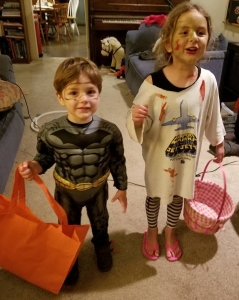
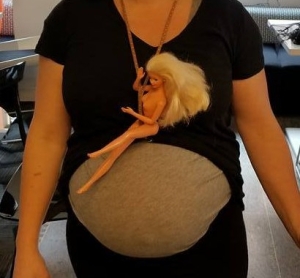
Second: Halloween! While I’m not a huge fan of candy (and we ended up trading the kids’ candy for a “better” treat), I do appreciate the communal ritual of kids running like hooligans up and down their neighborhood streets, getting to show off their costumes to the grown-ups who might otherwise be isolated – whether they’re retirees or just work 70+ hours a week – who then get to be social with cute kids in cute costumes and make the kids happy by giving them treats. Not to mention the fun of dressing up and pretending to be someone or something else, or just offering a visual pun or cultural reference!
costumes
Batman and a zombie
wrecking ball
I came in like a wrecking ball…

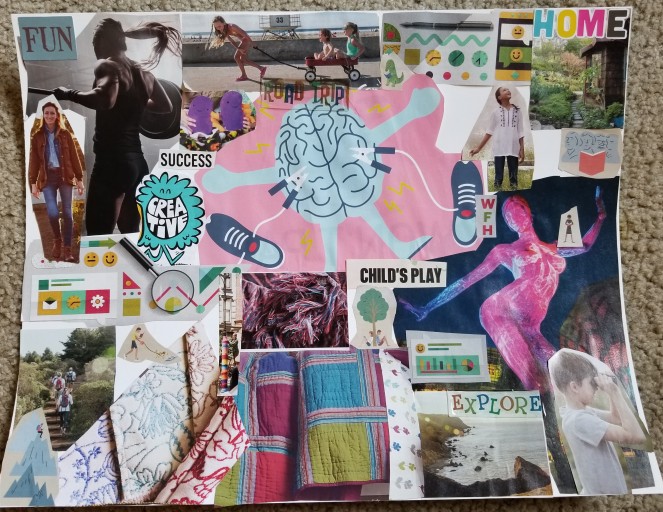
Third: my boss organized an offsite for our whole team to use glue and stickers and washi tape and cut out pictures from magazines and create “vision boards” for ourselves. Theoretically it was about work, but in reality and fully endorsed by our boss, it was really about finding four big-but-small goals that are going to keep you motivated, keep you driven, at home, at work, and in life.
vision board

Mine were pretty simple yet also pretty complicated:

  1. Craft more.
  2. Make my work more actionable (not just work for work’s sake; what were the actions that could be taken from it?).
  3. Go on one “big” adventure a year.
  4. Get people playing more.

Getting myself to play seems hard enough; but getting others to play more also taps into that #2 goal of making what I do impactful/actionable.

I want to do more than just support play, I want to start actively PLAYING and pushing play. Start toy-bombing again. Start promoting play activities with our neighbors and at work. I’m supposed to be in charge of a yarn bombing event at work, and yet I’ve been hesitant to promote the HELL out of it (not sure why).

All of those things have really pushed me to making both personal play and advocating play more of a reality.

Yes, the house still needs cleaning (desperately!). Yes, we still need to run and grab food at the grocery store. Yes we still have But having a mission makes all of those things more tolerable for me, and put into a perspective of being part of a larger goal. I need food to keep up my energy. I need to tidy (okay, also scrub/purge/deep clean) the house so I can find what I need and focus on my projects.

I’ve noticed over the years I coincidentally tend to come up with my “new year’s resolutions” around the pagan New Year of Samhain rather than the Gregorian New Year on January 1, so all of these experiences make it a perfect time to renew and re-assert my goals and energy towards play.

What are some of your goals for renewing yourself and keeping yourself inspired and enriched? Let me know in the comments below.

play

The Reason to Expand Urban Forests: Our Health

As Seattle loses trees at incredible speed, more and more cities are identifying the multiple benefits of trees.

Unknown's avatarTHE DIRT

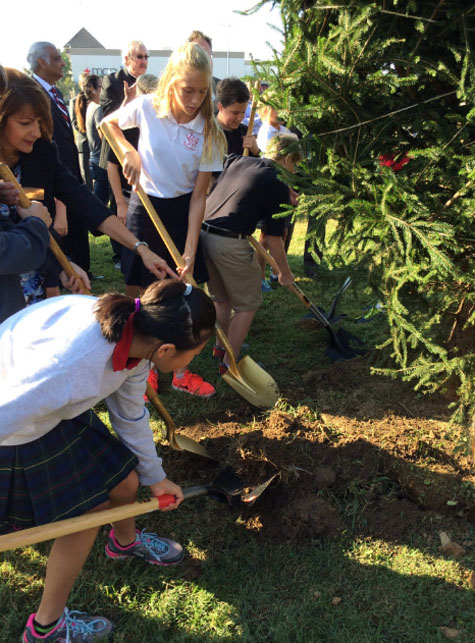
Green for good project at St. Margaret Mary Elementary School / LouisvilleKY.com

A new research report from the Nature Conservancy argues that for just $8 per person, the U.S. could maintain and then significantly expand the tree canopy of American cities, an incredibly cost-effective investment in public health.

While high-profile urban tree planting campaigns like New York City’s get a lot of attention, most U.S. cities have experienced a decline in their urban forests, with a loss of about 4 million trees each year, or about “1.3 percent of the total tree stock.” The Nature Conservancy builds the case for recommitting to expanding our urban canopies for health reasons, instead of just letting them slowly diminish.

The many benefits of trees are well-documented: they clean and cool the air, combat the urban heat island effect, capture stormwater, mitigate the risk of floods, boost water quality, and, importantly, improve our mental…

View original post 419 more words

behavior · community · happiness · health · mental health · psychology · Social

Practice the “Inside Scoop” to Combat Loneliness at Work

I read a fantastic article written by former U.S. surgeon general Vivek Murthy about the physical and cognitive damage brought on from isolation and loneliness, which many of us suffer, especially at work. We’re so focused on working, and for long hours, we often forget to stop and check in with each other and learn about each other *raises guilty hand*.

loneliness_working_from_home

Murthy discusses this in his article in the Harvard Business Review, “Work and the Loneliness Epidemic.” He shares some statistics and the impact this loneliness has on our individual work productivity and how that effects businesses’ bottom line.

For example:

Rates of loneliness have doubled since the 1980s. Today, over 40% of adults in America report feeling lonely, and research suggests that the real number may well be higher. Additionally, the number of people who report having a close confidante in their lives has been declining over the past few decades. In the workplace, many employees — and half of CEOs — report feeling lonely in their roles…

During my years caring for patients, the most common pathology I saw was not heart disease or diabetes; it was loneliness…

Loneliness and weak social connections are associated with a reduction in lifespan similar to that caused by smoking 15 cigarettes a day and even greater than that associated with obesity…

At work, loneliness reduces task performance, limits creativity, and impairs other aspects of executive function such as reasoning and decision making…

Researchers for Gallup found that having strong social connections at work makes employees more likely to be engaged with their jobs and produce higher-quality work, and less likely to fall sick or be injured…

He also offers a suggestion to combat this: setting up time at work for an “Inside Scoop” session, either as part of the weekly team meeting or other routine meeting.

People were asked to share something about themselves through pictures for five minutes during weekly staff meetings. Presenting was an opportunity for each of us to share more of who we were; listening was an opportunity to recognize our colleagues in the way they wished to be seen.

These sessions quickly became many people’s favorite time of the week, and they were more enthusiastic about participating at staff meetings. People felt more valued by the team after seeing their colleagues’ genuine reactions to their stories. Team members who had traditionally been quiet during discussions began speaking up. Many began taking on tasks outside their traditional roles. They appeared less stressed at work. And most of them told me how much more connected they felt to their colleagues and the mission they served.

This experience rings very true for me on my own team; during our team meetings, one of our senior managers on my team would always make sure there was time in the meeting for everyone to go around the room and share what their weekend plans were. People could say as much or as little as they wanted. But it gave us all a glimpse into their outside lives and helped us all feel closer. We learned about shared interests in music and art, got to hear about personal successes like their cover band scoring a gig or going to a sister’s wedding. We all became closer and would ask each other on the progress of our personal projects, and offer support or gentle teasing if we felt a project wasn’t getting the attention we all thought it deserved, whether it was finishing their degree or sewing a dog bed. It made us all closer and feel more connected.

As the team ebbed and flowed after awhile we stopped doing this practice, and although the change went unnoticed (until now), the change in team dynamics, camaraderie, and effectiveness has shifted.

It would be worth bringing it back.

In an age with more population density and a literally globally connected world thanks to the Internet, we are all experiencing more loneliness. The good news is we also have the power to combat it. It doesn’t have to be formal; as Murthy says:

I share what my office did not as the antidote to loneliness but as proof that small steps can make a difference. And because small actions like this one are vital to improving our health and the health of our economy.

There are other practices that can help combat loneliness too, like offering to help out others, and be willing to accept help when offered. Being proactive is hard, but worth it. And it doesn’t have to be big.

We can start simply by asking how somebody’s weekend was, and actually stopping and being present to listen.


behavior · children · community · emotion · health · mental health · play · psychology

Clowns bring laughter, positive psychological benefits to children in refugee camps

From the BBC3 article:

Ash [Perrin] and his team of clowns, musicians and dancers are ‘play specialists’ who work with children in refugee camps across Europe. The aim is to allow the kids “to feel good, feel daft, and feel playful”.

They are part of The Flying Seagulls Project, a band of clowns and performers who believe in the power of play. They have traveled to numerous refugee camps across Europe to help entertain and support children and their families via play.

This kind of outreach and human interaction is so powerful, not just from the viewpoint of lifting up people’s spirits, but especially for children’s mental well-being. It is incredibly beneficial to everyone but especially children to provide play and laughter as a respite from a really scary situation, at a time when they need a village of support at the exact time they have lost that village, as their parents try to cope with their new situation as well.

This kind of outreach is crucial especially as the refugee crisis intensified and continues to grow and more families are displaced and their lives put into turmoil. Play is how children process their emotions, explore and understand the world, and this kind of work can help children process trauma.

Unstructured play is crucial as well, but having guided play like this is important in a situation where the rules and conditions have changed for children – they need guidance from others to say “this is allowable here.” It is okay to laugh, to sing, to feel silly.

There are clowns who also work in children’s hospitals in the U.S. and around the world, providing similar services. Being able to go to where the children are, in their time of need, and say, “let’s play!” can be incredibly healing.

play

Is Calgary ready for child-friendly urban planning?

Creating space for families and kids in all weather is challenging but necessary to keep cities vibrant and their occupants healthy, both physically and emotionally.

Tim Gill's avatarRethinking Childhood

Calgary is the Canadian big city that looks and feels most like many US cities: sprawling, ever-expanding, and hugely car-centred. The very idea that the built form of the city could be great for children is likely to prompt a raised eyebrow from urban planners, if not outright derision.

I have just spent a week in the city, at the International Play Association conference, and then interviewing people and visiting sites as part of my Churchill Fellowship project looking at child-friendly urban planning. And my top-of-the-head response is that those urbanists would not be far wrong. But could this be about to change?

I’ll come back to that later. First, a thumbnail sketch of the city’s built form. Three broad types of residential neighbourhood form a classic urban typology for the city.

View original post 1,214 more words

behavior · community · education · emotion · play

Gamification of Compassion as Education

It’s a cheesy idea in many ways: practice compassion. pay it forward. Do unto others. It seems nice, but in a society where trust has been broken and kindness can be seen as weakness – whether that is a prison or school or work or a city – it can be hard to practice.

However, if there IS an immediate reward – a points system that helps people keep score of their kindness and gives them some immediate positive return – then it makes more sense for people to engage and feed into the compassion system.

Similar programs like dog training and tutoring provide a similar immediate benefit – the trainer is rewarded for training others.

Of course there are long-term personal benefits – less mental stress, larger social network, etc. – but humans typically work for the “right now” and being able to demonstrate the “right now” benefits can be pretty powerful.

https://www.facebook.com/plugins/video.php?href=https%3A%2F%2Fwww.facebook.com%2Fcompassiongames%2Fvideos%2F1399773396809748%2F&show_text=0&width=560

It also shows the power of gamification to teach other complex, complicated concepts.

architecture · community · creativity · culture · design · environment · play · Social

Today is Park(ing) Day in the U.S.

This year’s Park(ing) day snuck up on me! I am looking forward to checking out the little parklets that pop up around Seattle and see what other cities are up to.

Twister game set up in Seattle Parklet on Parking Day 2016
A Twister game set up in a Seattle parklet from Parking Day 2016. Courtesy SDOT.

From Curbed Seattle (no pun intended):

It’s the most wonderful time of the year… if you’re a fan of tiny, community-generated parks. PARKing day, which allows citizens to transform parking spots into activated spaces, is this Friday, September 15.

Past years have included creative seating, chicken coops, a bowling lane, and a tea party—even a ball pit.

This year, the day features 47 installations throughout the city. Seattle Department of Transportation (SDOT) says different installations include “everything from arts and crafts to bike repair and snacks,” plus the perennial favorite—spots to sit and relax.

Seattle Department of Transportation has put together a map of all 47 locations, from Lake City to South Park. Unsurprisingly, there’s a dense belt around the center of the city in the downtown, Capitol Hill, First Hill, and Central Area region—including at least two bike repair stations.

A screenshot of the interactive Park(ing) Map for Seattle:

parking map seattle

Check out more about Seattle’s Parklets.

brain · children · health · mental health · play

Successful Presentation on Roughhousing at 2017 Ancestral Health Symposium

I and my partner in play research Rafe Kelley, founder and Executive Director of Evolve Move Play, got to present on the importance of roughhousing from both a physical and emotional health and development perspective at this year’s Ancestral Health Society Symposium in Seattle, WA.

36343850483_dcc4b6b484_o

It was such an honor to be able to present and be surrounded by great thinkers around evolutionary health and wellness like Stephan Guyenet, Katy Bowman, Robb Wolf, and Frank Forencich.

We got a great response from attendees who came to view our poster, chatting about the often overlooked health benefits of roughhousing, both for children and adults. Besides discussing our points on the poster, we had lots of great related questions about risk, differences in how boys and girls (and men and women) approach and engage with roughhousing,  how to start roughhousing if you’re a little out of practice, and other ideas.

You can view our AHS 2017 EMP Poster here. We are hoping *fingers crossed* to develop this into a full paper in the near future, so stay tuned!

play

What We Still Don’t Know about the Health Benefits of Nature

Important environmental health benefits that need to be understood.

Jared Green's avatarTHE DIRT

ASLA 2017 Professional General Design Award of Excellence. Klyde Warren Park, Dallas, OJB Landscape Architecture / Gary Zonkovic Photography

We know that connecting with nature is good for us, but there are still many questions that need to be answered through more credible scientific research: What is the ideal “dose” of nature? What health conditions do these doses actually help with? Does duration and frequency of dose matter? How long do the benefits last? Does who you are and where you live impact how beneficial exposure to nature will be? And how does technology help or interfere with our connection to nature?

To get a better handle on the remaining unknowns, leading public health expert Dr. Howard Frumkin assembled a multi-disciplinary team at the University of Washington comprised of experts in epidemiology, environmental health, clinical medicine, psychology, ecology, landscape architecture, urban studies, and other disciplines, along with experts from the…

View original post 1,560 more words

anthropology · behavior · children · creativity · design · play

Photographer captures small moments of a child’s exploration and discovery of the world

Originally from The Huffington Post:

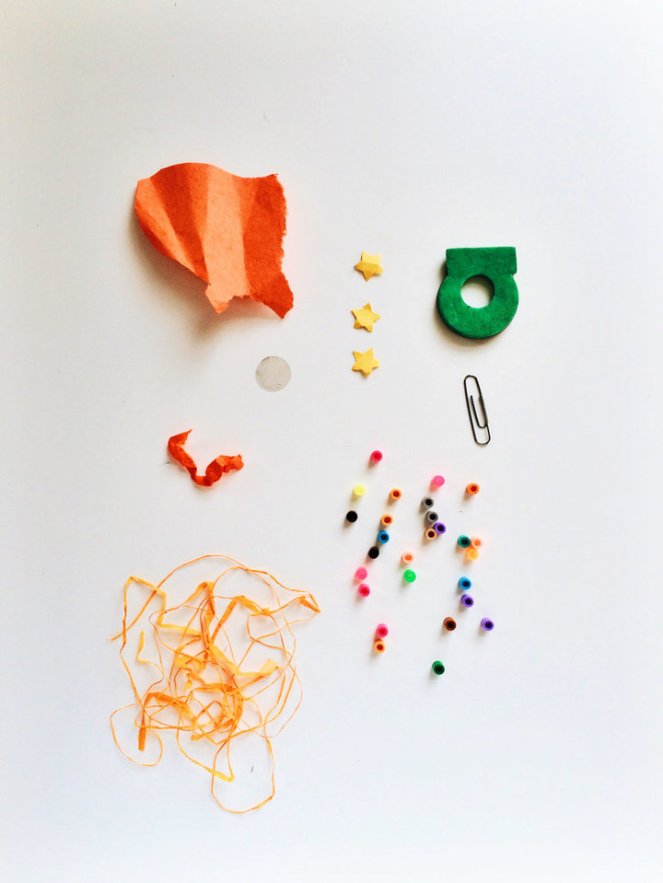
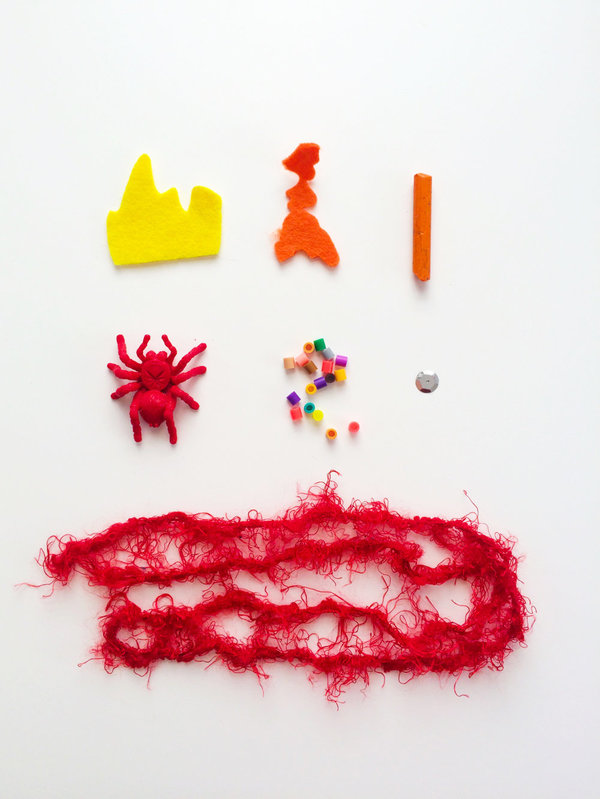
San Francisco photographer Melissa Kaseman knows that imaginative art can come in tiny packages. That much is evident in her latest photo series, “Preschool Pocket Treasures,” which depicts the small objects she finds stuffed in her son’s pockets each day when he comes home from preschool.

“The magic of childhood is so fleeting, and these objects I kept finding in Calder’s pockets represent a chapter of boyhood, his imagination, and the magic of finding a ‘treasure,’” Kaseman told The Huffington Post, adding, “I like the idea of the photographs being a taxonomy report of a child’s imagination, specifically Calder’s. I hope he carries the wonderment of discovery throughout his life.”

56fa85b21e00008700705889

Ms. Kaseman has captured a fascinating phenomenon of children preschool age to want to create and keep collections of things they find fascinating. It is both a fascinating way to understand what they are interested in exploring – colors, shapes, textures, size, specific themes like shells or rocks or dinosaurs – and how that interest changes or shifts over the days, weeks, and months.

She is also taking a wonderful, respectful, and playful approach to her son’s pocket treasures by treating them with the same respect and fascination he did, capturing them and cataloging them in a way that showcases them and makes them fascinating to us the viewers.

“Preschool Pocket Treasures” applies an archival idea to capture a child’s growth and evolution.

Kaseman hopes people who look at the photos see “the magic of discovery in a child’s imagination.” She added, “A simple object can hold so much weight in one’s mind.”

Processed with VSCOcam with a6 preset

56fa85b51e0000870070588c

View more of Ms. Kaseman’s work from the series “Preschool Pocket Treasures

In the meantime, take a new look at the things your child brings home from school, or how he has lined up all of his cars. Are they all the same size, color, side by side or in a row? This can provide some insight and wonder into your young child’s developing brain.