anthropology · behavior · culture · disease · health

Workplace Cited as a New Source of Rise in Obesity – NYTimes.com

Gli stand - FORUM PA 2011
The amount of physical activity in a typical work day has changed dramatically in the past 50 years. Image by Forum PA via Flickr

To be perfectly honest, I have gained a significant amount of weight since starting my new job in November. I avoid the free sodas but can’t resist the occasional free chocolate, and combined with being chained to my computer for typically 10 hours at a time (or more) BOY is it adding up. And apparently I am not alone:

A sweeping review of shifts in the labor force since 1960 suggests that a sizable portion of the national weight gain can be explained by declining physical activity during the workday. Jobs requiring moderate physical activity, which accounted for 50 percent of the labor market in 1960, have plummeted to just 20 percent.

The remaining 80 percent of jobs, the researchers report, are sedentary or require only light activity. The shift translates to an average decline of 120 to 140 calories a day in physical activity, closely matching the nation’s steady weight gain over the past five decades, according to the report, published Wednesday in the journal PLoS One.

Today, an estimated one in three Americans are obese. Researchers caution that workplace physical activity most likely accounts for only one piece of the obesity puzzle, and that diet, lifestyle and genetics all play important roles.

more via Workplace Cited as a New Source of Rise in Obesity – NYTimes.com.

Thankfully there are things I can do at work, like adjust my desk so that I can stand instead. I often take breaks to wiggle or stretch, and I get a discount at several local gyms. But this is not enough, and if we want to not have to pay for workers’ lifestyle-induced health problems, from obesity to carpal tunnel syndrome, we need to encourage businesses to improve health in the workplace!

For starters, no free candy and less hours expected of your workers! You’ll get more productive workers, really really!

architecture · behavior · brain · community · design · disease · environment · health

A Better Way to Fight Obesity: New, Smarter Supermarkets | The Atlantic

"The New Fred Meyer on Interstate on Lomb...
Image via Wikipedia

I heard an interview on the radio today with Rupal Sanghvi, the founder of HealthxDesign (“Healthy By Design”), an initiative she launched in 2010 after a decade of work with the International Planned Parenthood Federation.

During her years in the field, Sanghvi observed numerous instances in which people developing public health solutions overlooked contextual factors that were contributing to the problem. In clinics, for example, she saw how redesigning ventilation systems, retrofitting inefficient lighting, or choosing different building materials could improve
treatment conditions and accessibility, but these things were rarely addressed. Likewise, in supermarkets, features like store layout and air temperature can influence purchasing decisions, but food access initiatives often stop short of such nuances of structural design.

“Standard supermarkets are designed to promote consumption of foods that are high in sugar and preservatives,” explains Sanghvi, “because those are the high-margin items that maximize profit.” According to current guidelines, in an average 10,000-square-foot supermarket, only 500 square feet must be utilized for fresh produce. If the U.S. spends millions to build supermarkets according to the conventional mold, she argues, we may see some improvement in public health simply as a result of increased access to food, but we stand to achieve far better outcomes if we first reconsider supermarket design itself.

more via A Better Way to Fight Obesity: New, Smarter Supermarkets – Sarah Rich – Life – The Atlantic.

This is a great point being made about how our environment has a huge impact on our behavior, as well as corporate responsibility for health and wellness, and not just profits. This seems especially important for food stores, and I’m glad to see somebody taking up the cause.

Related:

Supermarket “Video Game” Designed to Help Shoppers Buy Healthier Food

architecture · behavior · brain · design · emotion · environment · happiness · health · mental health · Nature · psychology

Using Nature Therapy in Prisons and Hospitals

I’m seeing lots of different examples of people using nature to help heal, from the physically injured to those with aggression issues cut off from the rest of the world.

For example, I was just listening to a program this weekend on the local NPR station about a biologist at Evergreen State College who is greenifying a local prison, as well as working with inmates to grow new prairie grass and frogs (I can’t find the original story but here’s some similar coverage):

The frog rearing program here pairs inmates with scientists from the Evergreen State College as part of the Sustainable Prisons Project. So far, the frogs grown at Cedar Creek Correctional Center are doing better than those grown by professional zoologists.

LIESL PLOMSKI, graduate student, The Evergreen State College says, “They have a lot more time here to care for the frogs that a zoo wouldn’t have. I mean they’re here all day with them, so they change the water frequently. They feed them more frequently than a zoo could ever do.”

And then this morning stumbled upon this story:

Henning Larsen Architects recently won an international design competition with their plans for the new Odense University Hospital in Denmark. Situated close to the city center amidst a scenic old-growth forest, the OUH will use the surrounding landscape as a way to heal its patients. The holistic facility features a light footprint that incorporates nature at every turn to create an environment replete with peace and serenity. Daylight floods in through the glass-lined buildings, and rainwater will be collected to feed the many ponds and surrounding landscape.

more via Denmark’s New Odense Hospital is a Healing City of Glass Amid the Forest | Inhabitat – Green Design Will Save the World.

I am blown away by all the different applications of nature into therapy and recovery practices.

environment · Me · mental health · Nature · play · smell

A morning communion

deciduous azaleaEnrichment is…

Waking before dawn, and being called out by the morning birds to go participate in the celebration of dawn.

I lie in bed, awaken from being overheated under my down comforter. I had been cold and left the heat on last night, foolishly, for now I am up and alert, at 5:30 in the morning. I toss and turn a little, and lie on my back, hands resting on my chest and stomach, almost as if in meditation or prayer.

I don’t know how long I lie there, but soon enough the light outside changes from cold, harsh street lamps to a softer natural light. Suddenly I hear a bird announcing his presence in the tree above my bedroom. His song is joined by a second kind of beat, the first lolling, the other more short and chirpy. A third chimes in with his sing-songy notes. For whatever reason, I am moved to join them. Not in song, but a need to be witness to this ageless ritual of the morning, of virility, of male posturing, of spring.

It is spring; after a long rainy winter, it is finally starting to be spring. In the dark of my bedroom I feel for my grandfather’s work shirt and a pair of leggings. I find a pair of Converse waiting by the back door. Slowly, so as not to wake the dog or my husband I left behind both soundly asleep, I unlock the door, tie my shoes, and I am gone.

I could easily just stand out in my backyard, listening, still as a newly budding daffodil in this morning gray. But I must move. I must be a part of it. I want to deeply breathe in the cold wet air, to feel the morning on my hands and face. While it is a warmer morning than I’ve felt in awhile, the air is brisk with only one layer on, but walking keeps me just warm enough. I walk north past the church where last weekend the boy scouts had their gardening fundraiser, the yard now empty, abandoned in this pre-morning gray. There are no cars, no people. Just me and birds, and they are the only ones brave enough to break the silence.

I see fat robins picking at things in the street; they must have better eyes than me to make out anything edible in this pre-dawn light, or maybe just being closer to the ground helps.

A pair of runners and their dog cross my path a block up, reminding me that I am not the only human alive. Gaining momentum before charging up a small hill, they do not see me, they are lost in their own morning meditation.

I pass under a series of pink blooming plum trees, and as I pass their fragrance fills my nostrils. It is glorious. I breathe in deeply, letting the fruity blossom smell reach all the way into the back of my throat. My pace is perfect so that I am able to perform a deep, yoga-like breath under each tree, taking the smell in, considering the slightly different fragrance each tree puts off. One is farther along in its blooming cycle, and the white flowers are less fruity than the pink ones, more subtle. As I walk under them the air temperature changes to just a few degrees warmer. It is a pleasant respite from the cool morning air.

The houses on the street are all darkened, except for the occasional porch light or living room lamp left on. They are still asleep. Wise souls. Foolish souls for missing the morning.

The street dead ends onto another cross street, and I turn, starting to make my rectangular route around the neighborhood. Each garden’s plants are in a different state of bloom, from sticks to buds to a few purple and pink azalea blooms already in full show. Some gardeners have already started their new beds this year, others haven’t touched them, or let them go to weed.

My study of the local architecture is distracted by another human; a homeless man with shaggy graying, sun-bleached hair, in baggy clothes and a plastic bag tied to his shirt is walking down the other side of the street, slowly but with a purpose. He ignores me as we walk towards each other on opposite sides of the street. As he passes from my peripheral view I wonder what he is doing out wandering around the neighborhood this time of morning, then realize he could just as easily think the same of me; what is this strange girl doing in just a large flannel work shirt and leggings doing wandering the neighborhood this time of morning?

I see another runner reach his front walkway as I make the final turn onto my street. The light is finally starting to turn yellow, streaming up under the clouds, lighting them with streaks of yellow and orange. The birds are now in full chorus. My hands are chilled, but I am filled with gratitude that I got to see this morning arrive. I lift my up my back gate and carefully swing it open so it won’t scrape the pavement, still trying to keep quiet.

I take a moment, standing on my back porch, letting the bird song and wet, cold morning air drift over me. I want to share this with my entire household. I want to share this moment of awakeness, aliveness, and sense of being a part of the world. But the secret to this moment’s success is that it is a solitary event, it is alone and quiet. Just me and the birds, the plum blossoms, the rhododendron bushes, and the cold wet air.

I go inside to get warm just as the sun splits the clouds open and it starts to rain.
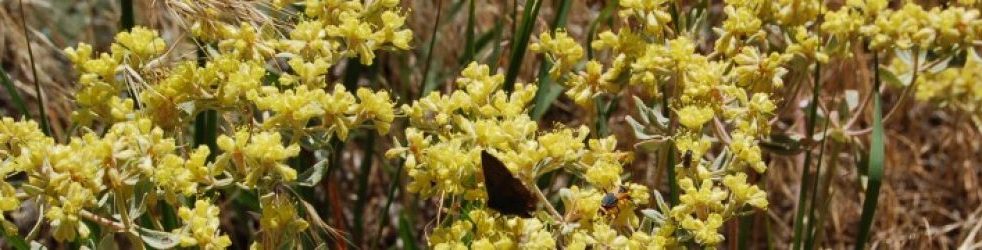
culture · disease · environment · happiness · health · mental health · play · psychology · Social

Secrets To Longevity: patience, planning, and moderation

This is a very cool study that was featured on NPR; it is in fact a follow-up study done back in the 1950’s on the habits of successful kids, almost 1,500 of them. These new researchers picked up on the study and tried to track down the kids to see how they were doing.

They found some interesting patterns appear in the kids who live the longest and healthiest:

"The most cheerful, optimistic kids grew up to take more risks," explains Martin. "By virtue of expecting good things to happen and feeling like nothing bad ever would, they predisposed themselves to be heavier drinkers, they tended to be smokers, and their hobbies were riskier."

So, she concludes, "some degree of worrying actually is good." And, in fact, adds Friedman, "the prudent, persistent, planful people — both in childhood … and then in young adulthood we measured that — that was the strongest individual difference, or personality predictor, of long life."

Friedman and Martin also found that the conventional wisdom on fitness isn’t quite right. If we try too hard to push ourselves into exercise regimens, it can backfire. Physical activity is important, they found, but it’s more about doing what you love than adhering to a certain fitness program.

Read more about The Longevity Project.

behavior · brain · happiness · health · Uncategorized

Note to self: the universe says go easier on yourself

After going, going, going, I need a break, and research agrees; from the New York Times’ Well Blog:

Do you treat yourself as well as you treat your friends and family?

That simple question is the basis for a burgeoning new area of psychological research called self-compassion — how kindly people view themselves. People who find it easy to be supportive and understanding to others, it turns out, often score surprisingly low on self-compassion tests, berating themselves for perceived failures like being overweight or not exercising.

The research suggests that giving ourselves a break and accepting our imperfections may be the first step toward better health. People who score high on tests of self-compassion have less depression and anxiety, and tend to be happier and more optimistic. Preliminary data suggest that self-compassion can even influence how much we eat and may help some people lose weight.

This idea does seem at odds with the advice dispensed by many doctors and self-help books, which suggest that willpower and self-discipline are the keys to better health…

More at NYT’s Well Blog.

Now I’m off to go breath, eat a banana, and get a good night’s sleep.

anthropology · behavior · community · culture · happiness · health · mental health

What Makes People Happy? The Economics of Happiness | The Art of Manliness

dad July 26 1936
Image by liberalmind1012 via Flickr


A very nice essay about what it takes to be a happy, healthy man, woman, or general human being:

Men have a certain innate restlessness. We’re always looking for a new adventure, wanting to feel like we’re progressing in life, and wondering if the grass might be greener somewhere else.Our ever-searching nature can be a good thing if it’s channeled into pursuits that really lead to greater happiness and satisfaction. But restlessness can also get us terribly off track if we expend our energy journeying down avenues that are really dead ends.

…the key to finding the truly greener pastures is to concentrate on going after the right things-the things that really will make you happier-instead of expending your energy in pursuit of a happiness mirage.

This is where the economics of happiness comes in. Numerous studies have revealed what factors in life are correlated with greater happiness. Now granted, these things correlate to greater happiness; they don’t necessarily cause happiness. But I always say it’s at least worth checking out where the happy people congregate. Below we highlight eight areas of a man’s life that we often associate with increasing or decreasing our happiness and analyze if the grass really is greener in those pastures.


Read the best ways to be happy (or unhappy) at What Makes People Happy? The Economics of Happiness | The Art of Manliness.