anthropology · behavior · children · creativity · design · play

Photographer captures small moments of a child’s exploration and discovery of the world

Originally from The Huffington Post:

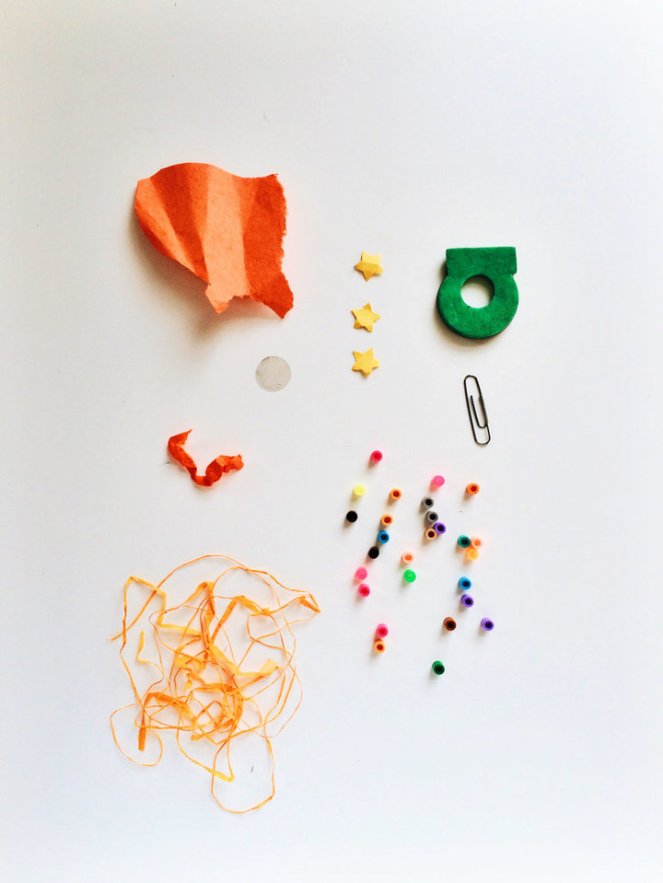
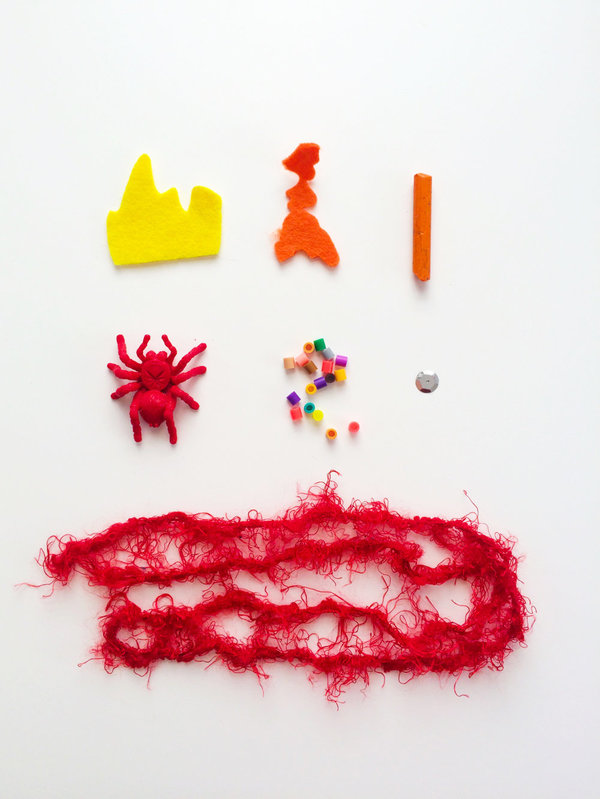
San Francisco photographer Melissa Kaseman knows that imaginative art can come in tiny packages. That much is evident in her latest photo series, “Preschool Pocket Treasures,” which depicts the small objects she finds stuffed in her son’s pockets each day when he comes home from preschool.

“The magic of childhood is so fleeting, and these objects I kept finding in Calder’s pockets represent a chapter of boyhood, his imagination, and the magic of finding a ‘treasure,’” Kaseman told The Huffington Post, adding, “I like the idea of the photographs being a taxonomy report of a child’s imagination, specifically Calder’s. I hope he carries the wonderment of discovery throughout his life.”
56fa85b21e00008700705889

Ms. Kaseman has captured a fascinating phenomenon of children preschool age to want to create and keep collections of things they find fascinating. It is both a fascinating way to understand what they are interested in exploring – colors, shapes, textures, size, specific themes like shells or rocks or dinosaurs – and how that interest changes or shifts over the days, weeks, and months.

She is also taking a wonderful, respectful, and playful approach to her son’s pocket treasures by treating them with the same respect and fascination he did, capturing them and cataloging them in a way that showcases them and makes them fascinating to us the viewers.

“Preschool Pocket Treasures” applies an archival idea to capture a child’s growth and evolution.

Kaseman hopes people who look at the photos see “the magic of discovery in a child’s imagination.” She added, “A simple object can hold so much weight in one’s mind.”

Processed with VSCOcam with a6 preset

56fa85b51e0000870070588c

View more of Ms. Kaseman’s work from the series “Preschool Pocket Treasures

In the meantime, take a new look at the things your child brings home from school, or how he has lined up all of his cars. Are they all the same size, color, side by side or in a row? This can provide some insight and wonder into your young child’s developing brain.

Uncategorized

NWAC 2008

I will be presenting at the 2008 Northwest Anthropological Conference held in (so I’ve been told) beautiful Victoria, B.C.
My presentation will be on the cultural change of land use in Skagit County over the past 60 years, using photos to analyze what people were up to, as well as what was important to people. For example, in the 1950s only one picture of the cat and because the kid was playing with it; in the 1980s lots of pictures of dogs all by themselves, they are the featured player in the article.
I’m only going for a day, so I don’t know how much I’ll be able to see, but I hope to get a little bit out of the whole deal.
I’ll write an synopsis when I get back.

technology

Documented and Democratized

This article in Newsweek really got me started thinking about this idea of the “Millenial” generation (post 1982, so I JUST missed the cut) as being over-documented, over-exposed, lack of privacy, democratization of information, lack of understanding of copyright and ownership laws, and how technologies like the Internet and cell phones have existed for as long as they’ve been aware enough to notice (although I still remember my mom being really excited about getting the Internet and me being disappointed because I couldn’t find any games).
I know everyone says “this” generation is new and like nothing they’ve seen before, but “this” generation really IS like nothing we’ve seen before. It’s like the first generation of colonists born in the American Colonies way back when. Sure their parents gave them this new land and brought them up in these new frontiers, but these kids were immersed in it from the moment they set foot outside, and all the while trying to adapt their parents’ cultures and customs to this new reality.
I am fascinated to see what this generation, who has no fear or apprehension of technology, who is used to reality TV and learning physical discipline like parkour off the internet, and texting people while hanging out with other people, will come up with on their own, how they adapt their grandparents belief systems to this new way of living. This generation is also a lot more international, and yet not necessarily internationally aware, than previous generations. What exactly will go down? Stay tuned!