architecture · behavior · culture · design · environment · happiness · Nature

Seattle has too many bleak public spaces | Crosscut.com

Seattle Skyline view from Queen Anne Hill.
View of Seattle's city skyline. In such a gorgeous part of the U.S., Seattle itself is lacking in pretty public spaces. Image via Wikipedia

In case y’all hadn’t noticed yet, I’m a huge proponent of utilizing public space for community use and creating an overall aesthetically pleasing environment for people. Cities have one of the greatest opportunities to provide that for their citizens. So I was thrilled when I read this article in Crosscut Magazine arguing the same thing, specifically for my hometown of Seattle.

Our landscape-oriented mindset should have been good preparation for what we need in the densifying city now, which is more design intelligence given to the open spaces between buildings — plazas, parklets, and awkward leftovers like the places under freeway overpasses. The more the air space around us becomes stuffed with architecture, the more acutely we need the relief of thoughtfully landscaped open spaces on the ground. Arguably, these spaces are more important in the built environment than most buildings because they’re public — people use them.

Or if they’re emotionally cold, dreary, or austere, people don’t use them, which is the case with a number of Seattle’s precious open spaces. On one of our desperately rare sunny spring days this month, I visited about a dozen open spaces in the dense city and found — no surprise — the bleak ones practically unused and the beautiful ones full of life. What is surprising is that we’re not demanding more graceful, humane, imaginative design — and raising hell over trends such as Seattle Parks and Rec’s inexplicable new fascination with concrete and gravel.

The article goes on to provide examples and suggest different fixes for a couple of spaces. More via Why does Seattle have so many bleak public spaces? | Crosscut.com.

behavior · children · community · environment · family · learning · Nature

7 Creative Ways to Experience your Local Farm this Spring | Inhabitots

A pastoral farm scene near Traverse City, Mich...
Image via Wikipedia

Where I grew up and where I live now, though focusing on very different kinds of agriculture, were both very farm-focused communities, and I always encourage people to  go out and see what a working farm is all about. It is a great way to learn about where your food comes from, different jobs, and all about nature.

Beyond simply stopping by to view the animals at your local farm, there are many other hands-on and creative activities you can do with your family — and the spring is a great time to go. Visiting your local farm during the spring comes complete with baby animals, plus the weather is warming up and it’s the perfect opportunity for outdoor learning time with your children. To get the most out of your springtime visit to the farm, you’ll want to explore it with a different lens and look at your local farm as more than just a place that keeps animals and agriculture. Read on to learn seven creative ways to experience your local farm this spring with your family.

more via 7 Creative Ways to Experience your Local Farm this Spring | Inhabitots.

community · environment · happiness · Me · Nature

Appreciating the daily commute

South Lake Union, Seattle, Washington 2
South Lake Union, Seattle, WA. Image by tedeytan via Flickr

I originally wrote this essay as a response to the daily prompt at StoryPraxis, a very cool project that encourages people to write for just ten minutes a day. The particular prompt inspired me to write about my current hometown, Seattle, and how enriching its natural environment is. For example, I probably have one of the prettiest commutes in the United States. You can read the original post here.

Seattle is probably the prettiest city to have to commute through. You drive over lakes, over sounds, past mountains, past forests. You cross microclimates, and probably experience at least three kinds of weather in 20 minutes or less.

Cresting over one of the many hills the Olympics suddenly burst out onto the horizon in front of you, the bright morning sun making the snow caps shine just below the cloud layer so it looks like a clear, sunshine day “over there.” The sky above you is filled with gray clouds, but today they are more textured than a gray blanket, allowing the light to bounce off creating interesting shapes and textures.

Each neighborhood you pass is very distinct, either due to geographical divisions like water or hills, or more cultural markers like Buddhist prayer flags mixed with solar panels on 1950s bungalows which two blogs later transform into modern condos with Priuses parked out front.

Coming up over the I-5 bridge you’re now high above the city, the commercial waterways 100s of feet below. From here you can see almost all of Seattle’s signature neighborhoods in a 360 degree view – University district, Wallingford, Fremont, Ballard, Queen Anne, South Lake Union, Downtown, Capitol Hill. You see the Olympics on your right, and now the sun is reaching its fingers over the Cascades on your left, injecting the gray clouds with pink and purple, adding bursts of color to the gray sky above.

The freeway has ivy and trees growing over the sides, threatening to spill onto the roadway. You merge onto one of the eastbound bridges, and suddenly you’re cresting over a giant lake, now so close to the water you’re almost floating. To your right off in the distance across the water is Mt. Rainier, shooting its head above the clouds, fighting to keep them from swallowing it whole. A great blue heron casually floats over the morning commuters, and a bald eagle stands vigil on top of one of the lamp posts dotting the bridge.

You pull off your exit, the trees and shrubs now practically enfolding the off ramp. On a sunny day they call to you, “come climb in my branches, come run through my meadow fields.” It’s good that it’s so damp and gray today, or you’d never get to work. The tulips and crocus popping up in the road dividers, almost weed-like in their determination to grow anywhere and everywhere, add some color now that the sun has risen above the clouds, taking the pink streaks with it.

You’re sad to go inside, but know you’ll have a literal birds-eye view into the trees growing just across the street of your office building.

You’re thankful to have one of the most beautiful commutes in the world, and just sad you have to experience it all from a car.

anthropology · behavior · community · culture · environment · health · Nature

It’s Raining Rain Gardens | Sightline Daily

View of a bioretention cell, also called a rai...
Example of a rain garden. Image via Wikipedia

Oh, all right, but only because you asked soooo nicely; for Earth Day, an example of how communities in the Puget Sound are coming together to protect the Earth and improve their own personal environments as well.

Researchers have pointed the finger at stormwater runoff as the top source of pollution that’s getting into Puget Sound and other Northwest waterways. And because runoff comes from just about everywhere — roofs, roadways, parking lots, farms, and lawns — the solution has to be just as widespread.

Enter 12,000 Rain Gardens.

This week Washington State University and Stewardship Partners, a nonprofit working on land preservation, announced a campaign to promote the installing of 12,000 rain gardens around Puget Sound by 2016. The website even has a counter tracking the number of gardens and encourages folks to enter their rain garden into the database.

more via It’s Raining Rain Gardens — Sightline Daily – Northwest News that Matters.

anthropology · behavior · children · community · education · environment · Nature

MoMA engaging youth in art criticism (some harsh)

Happy Earth Day! I feel like I should have a blog post dedicated to the benefits of nature and why we need the Earth, but to be perfectly frank none of those environmental changes we talk about are going to happen unless we get everybody on board and engaged!

So, instead, here is one example of getting people, and particularly kids, involved and engaged, thinking critically about what they did or did not like about their experience, and giving it credibility and recognition by posting it to a public forum, and not just the online kind:

Flights of fancy, lively drawings, dreams of piloting the Bell helicopter, disdain for a museum with no dinosaurs… many of our absolute favorite “MoMA stories” were left by kids, from toddlers to teenagers. So for our second post about the “I went to MoMA and…” project, it wasn’t hard to pick a theme.

Some people think modern and contemporary art is too “hard” or “weird” for kids to understand and get excited about. Not the way our younger visitors tell it, though! It made us incredibly happy to hear from so many kids who thoroughly enjoyed their day at MoMA: admiring colors and shapes, learning new things, trying out Material Lab, picking a favorite artist, getting inspired to draw, and spending time with friends, parents, and grandparents. Take a look at some of the responses below, and a big thank you to all the kids who participated!

check it out at MoMA | “I went to MoMA and…”: The Kids Are All Right.

Kids read each other's feedback on MoMA

architecture · behavior · brain · design · emotion · environment · happiness · health · mental health · Nature · psychology

Using Nature Therapy in Prisons and Hospitals

I’m seeing lots of different examples of people using nature to help heal, from the physically injured to those with aggression issues cut off from the rest of the world.

For example, I was just listening to a program this weekend on the local NPR station about a biologist at Evergreen State College who is greenifying a local prison, as well as working with inmates to grow new prairie grass and frogs (I can’t find the original story but here’s some similar coverage):

The frog rearing program here pairs inmates with scientists from the Evergreen State College as part of the Sustainable Prisons Project. So far, the frogs grown at Cedar Creek Correctional Center are doing better than those grown by professional zoologists.

LIESL PLOMSKI, graduate student, The Evergreen State College says, “They have a lot more time here to care for the frogs that a zoo wouldn’t have. I mean they’re here all day with them, so they change the water frequently. They feed them more frequently than a zoo could ever do.”

And then this morning stumbled upon this story:

Henning Larsen Architects recently won an international design competition with their plans for the new Odense University Hospital in Denmark. Situated close to the city center amidst a scenic old-growth forest, the OUH will use the surrounding landscape as a way to heal its patients. The holistic facility features a light footprint that incorporates nature at every turn to create an environment replete with peace and serenity. Daylight floods in through the glass-lined buildings, and rainwater will be collected to feed the many ponds and surrounding landscape.

more via Denmark’s New Odense Hospital is a Healing City of Glass Amid the Forest | Inhabitat – Green Design Will Save the World.

I am blown away by all the different applications of nature into therapy and recovery practices.

environment · Nature

Last Tourist in the Woods – Health and Financial Benefits of Outdoor Tourism | LandLopers

I’m dreaming of warm sandy beaches, or high mountain meadows, and realized it’s been awhile since I’ve gone on a good, solid, outdoors-focused vacation. Apparently I’m not the only one. From the magazine Landlopers, introduced to me by the non-profit environment-and-culture group Izilwane

For more than a decade, visitation numbers at America’s National Parks have been dropping steadily. At first glance, the numbers are encouraging, around 280 million visitations in 2010. Impressive until you peel back the numbers and realize that this includes everything from people driving along the Blue Ridge Parkway to the annual Cherry Blossom Festival attendees. The actual number of people who hike, boat, fish or paddle is much lower, and that number is not increasing.I’m not sure for the drop in numbers, but it’s disheartening. I’m just as guilty as anyone about not visiting our common inheritance nearly as often as I should.

Night sky while camping from Landlopers

more via Last Tourist in the Woods – Health and Financial Benefits of Outdoor Tourism | LandLopers.

More and more people are discovering the importance of interacting with the outdoors, even in small doses like walking down a tree-line street. And now, the one plus-side of our current Federal and State funding in a crisis is that a lot of national and state parks are offering deals to entice visitors; so aside from supporting your parks and the economy, it’s a good time to think about vacationing in the great outdoors.

environment · Me · mental health · Nature · play · smell

A morning communion

deciduous azaleaEnrichment is…

Waking before dawn, and being called out by the morning birds to go participate in the celebration of dawn.

I lie in bed, awaken from being overheated under my down comforter. I had been cold and left the heat on last night, foolishly, for now I am up and alert, at 5:30 in the morning. I toss and turn a little, and lie on my back, hands resting on my chest and stomach, almost as if in meditation or prayer.

I don’t know how long I lie there, but soon enough the light outside changes from cold, harsh street lamps to a softer natural light. Suddenly I hear a bird announcing his presence in the tree above my bedroom. His song is joined by a second kind of beat, the first lolling, the other more short and chirpy. A third chimes in with his sing-songy notes. For whatever reason, I am moved to join them. Not in song, but a need to be witness to this ageless ritual of the morning, of virility, of male posturing, of spring.

It is spring; after a long rainy winter, it is finally starting to be spring. In the dark of my bedroom I feel for my grandfather’s work shirt and a pair of leggings. I find a pair of Converse waiting by the back door. Slowly, so as not to wake the dog or my husband I left behind both soundly asleep, I unlock the door, tie my shoes, and I am gone.

I could easily just stand out in my backyard, listening, still as a newly budding daffodil in this morning gray. But I must move. I must be a part of it. I want to deeply breathe in the cold wet air, to feel the morning on my hands and face. While it is a warmer morning than I’ve felt in awhile, the air is brisk with only one layer on, but walking keeps me just warm enough. I walk north past the church where last weekend the boy scouts had their gardening fundraiser, the yard now empty, abandoned in this pre-morning gray. There are no cars, no people. Just me and birds, and they are the only ones brave enough to break the silence.

I see fat robins picking at things in the street; they must have better eyes than me to make out anything edible in this pre-dawn light, or maybe just being closer to the ground helps.

A pair of runners and their dog cross my path a block up, reminding me that I am not the only human alive. Gaining momentum before charging up a small hill, they do not see me, they are lost in their own morning meditation.

I pass under a series of pink blooming plum trees, and as I pass their fragrance fills my nostrils. It is glorious. I breathe in deeply, letting the fruity blossom smell reach all the way into the back of my throat. My pace is perfect so that I am able to perform a deep, yoga-like breath under each tree, taking the smell in, considering the slightly different fragrance each tree puts off. One is farther along in its blooming cycle, and the white flowers are less fruity than the pink ones, more subtle. As I walk under them the air temperature changes to just a few degrees warmer. It is a pleasant respite from the cool morning air.

The houses on the street are all darkened, except for the occasional porch light or living room lamp left on. They are still asleep. Wise souls. Foolish souls for missing the morning.

The street dead ends onto another cross street, and I turn, starting to make my rectangular route around the neighborhood. Each garden’s plants are in a different state of bloom, from sticks to buds to a few purple and pink azalea blooms already in full show. Some gardeners have already started their new beds this year, others haven’t touched them, or let them go to weed.

My study of the local architecture is distracted by another human; a homeless man with shaggy graying, sun-bleached hair, in baggy clothes and a plastic bag tied to his shirt is walking down the other side of the street, slowly but with a purpose. He ignores me as we walk towards each other on opposite sides of the street. As he passes from my peripheral view I wonder what he is doing out wandering around the neighborhood this time of morning, then realize he could just as easily think the same of me; what is this strange girl doing in just a large flannel work shirt and leggings doing wandering the neighborhood this time of morning?

I see another runner reach his front walkway as I make the final turn onto my street. The light is finally starting to turn yellow, streaming up under the clouds, lighting them with streaks of yellow and orange. The birds are now in full chorus. My hands are chilled, but I am filled with gratitude that I got to see this morning arrive. I lift my up my back gate and carefully swing it open so it won’t scrape the pavement, still trying to keep quiet.

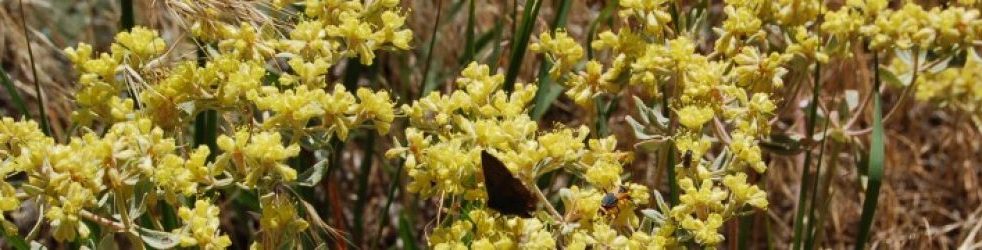
I take a moment, standing on my back porch, letting the bird song and wet, cold morning air drift over me. I want to share this with my entire household. I want to share this moment of awakeness, aliveness, and sense of being a part of the world. But the secret to this moment’s success is that it is a solitary event, it is alone and quiet. Just me and the birds, the plum blossoms, the rhododendron bushes, and the cold wet air.

I go inside to get warm just as the sun splits the clouds open and it starts to rain.
community · culture · education · environment · health · Nature

Urban farming in NYC

Just read about this cool example of urban farming: Eagle Street Rooftop Farm in good ol’ New York City.

From the site:

On the shoreline of the East River and with a sweeping view of the Manhattan skyline, Eagle Street Rooftop Farm is a 6,000 square foot green roof organic vegetable farm located atop a warehouse rooftop in Greenpoint, Brooklyn.During New York City’s growing season, the farmers at Eagle Street Rooftop Farm supply a community supported agriculture (CSA) program, an onsite farm market, and bicycle fresh produce to area restaurants.

In partnership with food education organization Growing Chefs, the rooftop farm hosts a range of farm-based educational and volunteer programs.


Eagle Street Rooftop Farm offers educational programming in partnership with Growing Chefs: Food Education from Field to Fork.


They also offer talks, events (today was their annual pie eating contest!), and other ways to engage with urban farming. If you live anywhere near there, go check it out; it is amazing to see a true working farm in action, and to see it done in an urban environment is really exciting. Although, you might want to wait until the weather isn’t, you know, freezing!, to go visit:

The Farm is a bit windy & chilly this time of year, so we’re waiting ’til spring for visits.  To register for a workshop, contact us Education@RooftopFarms.org.

What a great way to learn about where your food comes from, and it’s healthier and fresher since it doesn’t have to travel as far or receive so many pesticides or preservatives for transport. And apparently these urban farms are now popping up all over the United States; check out some of the links below to read about other city’s urban farms. Eat up!


anthropology · education · learning · Nature

Come See My Gorilla Talk at Woodland Park Zoo on November 18th!

That’s right, I will be presenting a brown bag at Woodland Park Zoo on Thursday, November 18th, regarding my research with visitors to the WPZ’s gorilla exhibit. That’s next week, eep!

I have been volunteering with WPZ since June of 2009. During the summers of 2009 and 2010, I studied how visitors interacted with the exhibit, the gorillas, and what lessons visitors took away with them. I also interviewed visitors about their emotional responses to the gorillas.

I was amazed by how strongly people identified with gorillas, pointing out similarities between their hands, their facial expressions, and what they ate (even though Gorillas are vegetarians). They wanted to know how old the gorillas were, who was the mom and dad, if they got along, did they get bored, and all sorts of comments that indicated a high level of empathy. Interestingly, if people had read the signs they would have answered a lot of their own questions…

I will discuss what visitors responded to, what they learned, and what visitors missed.

 WPZ Flyer Gorilla talk

zoo.org