architecture · creativity · environment

“Space Matters” – Mehmet Ali Uysal | 2Modern Blog

Super cool!

For Turkish artist Mehmet Ali Uysal’s space is paramount, hence the title of this body of work, ‘Space Matters’. Always concerned with how to reshape the space around him, in his art he has achieved this exploration seamlessly. A giant clothespin pinching the landscape, Uysal takes the place of the work as the cause for creating the work. In the end, the gallery space becomes part of the art work, its’ material, form and content. The context becomes the content.Built for the Festival of the Five Seasons in Chaudfontaine Park, on the outskirts of Liege, Belgium generated a bit of attention across the web. It was made for the Festival of the Five Seasons.

via “Space Matters” – Mehmet Ali Uysal | 2Modern Blog.

architecture · community · environment · Nature

It makes sense since several studies have found nature in general to be calming and correlates with an increase in concentration.

Jared Green's avatarTHE DIRT

benefits
What many landscape architects and designers know intuitively is increasingly becoming proven scientifically. In fact, more and more exciting research appears showing the cognitive and mental health benefits of being out in nature — in places like parks, or even just meandering down leafy streets. According to The New York Times, a new study from Scotland shows that “brain fatigue” can be eased by simply walking a half-mile through a park.

In The New York Times’ Well blog, Gretchen Reynolds writes that “scientists have known for some time that the human brain’s ability to stay calm and focused is limited and can be overwhelmed by the constant noise and hectic, jangling demands of city living, sometimes resulting in a condition informally known as brain fatigue.”

Green spaces help alleviate brain fatigue because they are “calming” and require “less of our so-called directed mental attention than busy, urban streets…

View original post 816 more words

architecture · behavior · creativity · design · environment

Soundscraper Transforms Vibrations from City Noise Pollution into Green Energy Soundscraper Generates Energy From Noise Pollution – Inhabitat

Cool idea, if perhaps a little, um, well, er, too organic?

Soundscraper Transforms Vibrations from City Noise Pollution into Green Energy Soundscraper Generates Energy From Noise Pollution – Inhabitat - Sustainable Design Innovation, Eco Architecture, Green Building
The concept for the Soundscraper is that it would generate energy from noise pollution.

The Soundscraper is a futuristic structure designed to transform auditory vibrations from bustling cities into a source of clean energy. Designed by Julien Bourgeois, Olivier Colliez, Savinien de Pizzol, Cedric Dounval and Romain Grouselle, the Soundscraper is covered with noise-sensitive cilia that harvest kinetic energy while soaking up urban noise pollution.

more via Soundscraper Transforms Vibrations from City Noise Pollution into Green Energy Soundscraper Generates Energy From Noise Pollution – Inhabitat.

architecture · design · environment · happiness · health · mental health · Nature · psychology

Dennis Bracale’s Garden Compositions

Creating organic, peaceful spaces can be arguably one of the most powerful, important acts for human wellness, both physically and mentally. These gardens are also peaceful just to look at, even if you can’t experience them firsthand.

Unknown's avatar

Creating organic, peaceful spaces can be arguably one of the most powerful, important acts for human wellness, both physically and mentally. These gardens are also peaceful just to look at, even if you can’t experience them firsthand.

View original post

architecture · community · design · environment · play

Superkilen: Global Mash-up of a Park

Using parks and other playful spaces to improve urban neighborhoods and the residents’ lives…

Jared Green's avatarTHE DIRT

super1
The nearly mile-long Superkilen park in Denmark is a bold attempt to create a new identity for an “ethnically diverse and socially challenged” neighborhood in Copenhagen, Denmark. An in-depth community outreach process organized by the city has led to a place like no other, with a sequence of plazas that honor different ethnics groups living in the area. Designed by Bjarke Ingels’ firm, BIG, landscape architecture firm, Topotek 1, and artists’ group, Superflex, the massive project also accomplished a lot with a little budget: at just $34 per square foot, the landscape “packs a lot of bang for the buck.” The project, which has recently been all over the design press, also just took home the AIA Institute Honor Award for urban and regional design and an annual design award from Architect Magazine in the “play” category.

The AIA jury, which included Ellen Dunham Jones, author of Retrofitting Suburbia

View original post 821 more words

anthropology · architecture

The Rise of the Endless City

As humans go more urban, what that means for how we live together…

Unknown's avatar

As humans go more urban, what that means for how we live together…

View original post

architecture · community · creativity · happiness · Social

The best examples of street art in 2012 48 pictures | memolition

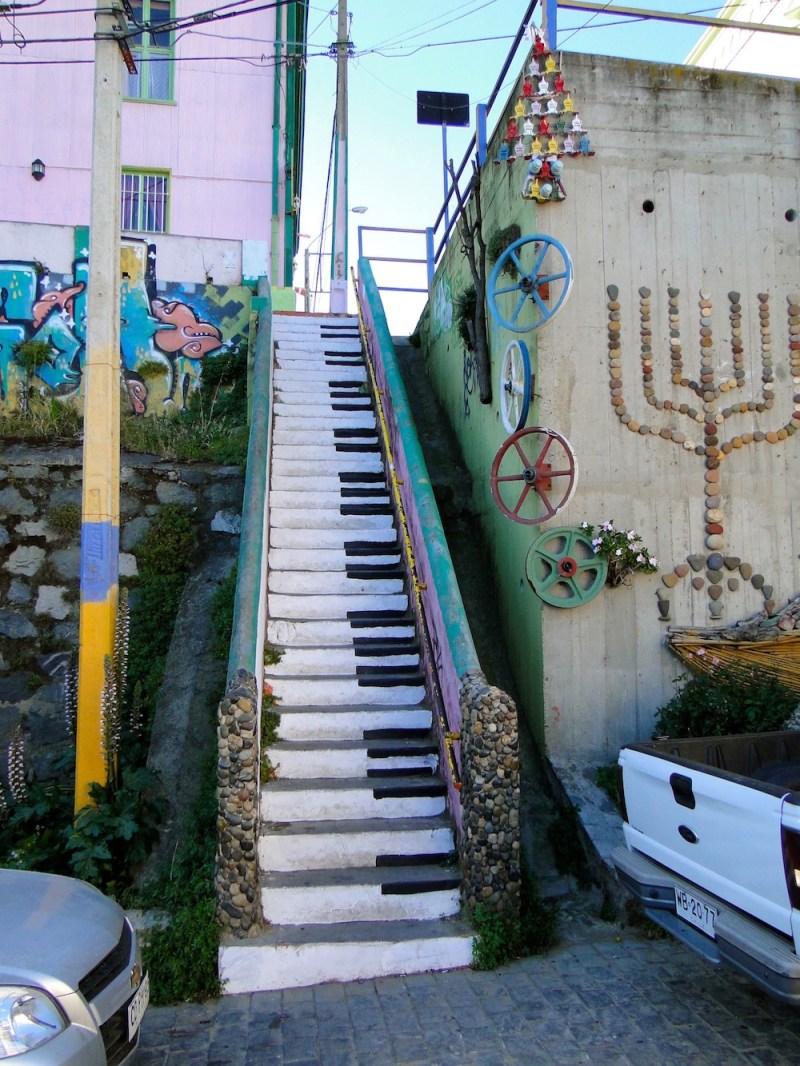
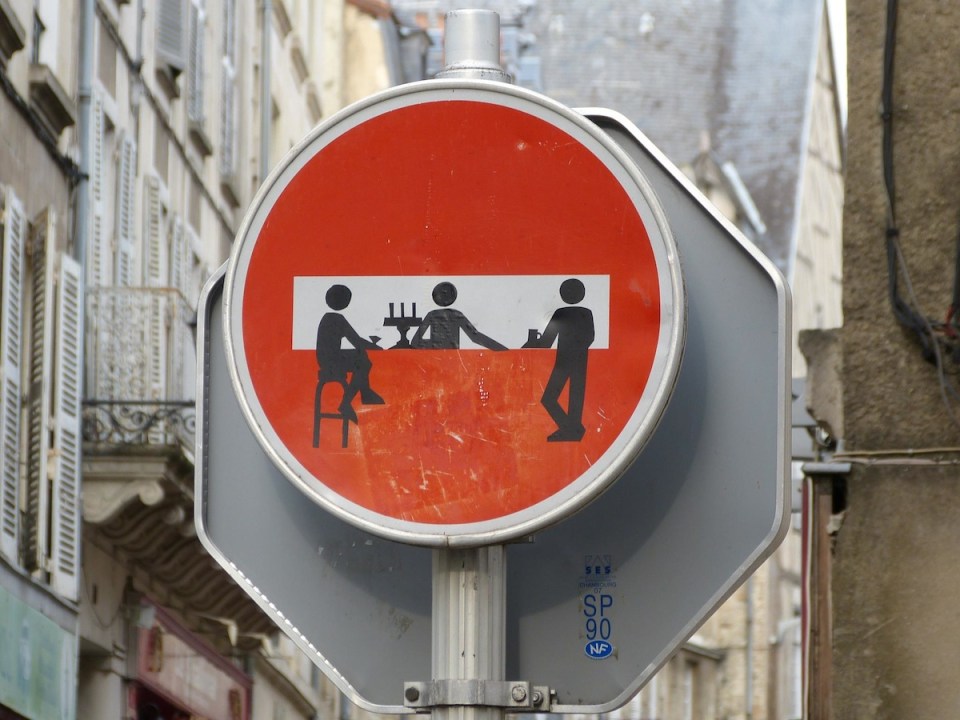
As you head home tonight, keep an eye out for any rogue street art on your commute. You’ll be surprised what you may see… 🙂

more at The best examples of street art in 2012 48 pictures | memolition.

architecture · community

Landscapes Can Be Open-ended « The Dirt

University of Toronto
University of Toronto (Photo credit: Wikipedia)

An academic take on creating inviting, communal public spaces:

In Operative Landscapes: Building Communities Through Public Space, Alissa North, Assistant Professor in the Landscape Architecture Program at the University of Toronto, argues that the best contemporary landscape designs are concerned with more than just aesthetics. Instead of striving for fixed, static designs, the goals of these landscapes are “operational”: they aim to guide “the transformation of urban environments over time.” By moving away from fixed form, landscapes can be open-ended and non-prescriptive, changing in response to — but also influencing — the development of their communities.

continue reading Landscapes Can Be Open-ended « The Dirt.

architecture · behavior · community · culture · design · environment

At IIDEX: Will the Office Go the Way of the Phonebooth and Mailbox? : TreeHugger

Happy Monday. Most of us are probably back at work now after the holidays. But for many of us, our work space has changed fairly dramatically in the past few years, in large part due to advances in technology. What used to be office-bound work can now be done at home in one’s slippers while simultaneously playing with your child (not that I’ve ever done that!). What does the future of work spaces look like? This article tackles that very question. The subject isn’t specifically related to playful environments, but creating spaces that are more conducive to creativity and productivity are incredibly intertwined with playful environment:

The company Teknion has been doing a serious amount of research into where the office is going, and what they should be designing and building to furnish it, and have published Phonebooths and Mailboxes to look at the future of the office.

At IIDEX: Will the Office Go the Way of the Phonebooth and Mailbox? : TreeHugger© TEKNION

Phonebooths and Mailboxes is a discussion about new technologies. Consider how quickly the cell phone replaced the pager, how quickly the fax machine was replaced by email. Mobile technology now signals one of the biggest transformations within the modern office.

more via At IIDEX: Will the Office Go the Way of the Phonebooth and Mailbox? : TreeHugger.

As awesome as flexibility with one’s work space is, there is also value with face-to-face, tangible collaboration. Plus spaces for creative work and data analysis work, or whatever kind of work, may need very different spaces.

What are your thoughts about how technology is changing what our offices look like?

architecture · play · technology

A Swing Set That Powers An Electric Light With Every Pump | Co.Design

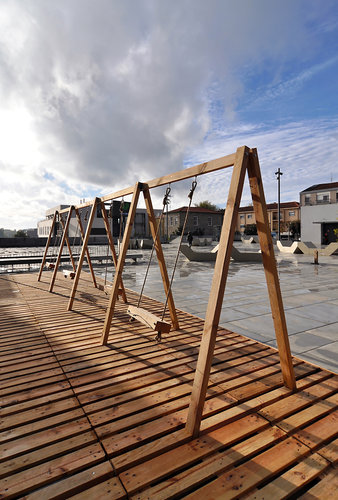
As kids my friends and I used to imagine creating electricity out of the swings or the merry-go-round. Turns out we weren’t the only geeky kids who thought up that kind of thing:

Swinging is a self-contained pleasure, an activity where the work and reward are one in the same. But for their pop-up installation outside the International Centre for the Arts in Guimarães, Portugal, the art collective Moradavaga added an unexpected twist to the childhood pastime: a little bit of light, powered solely by the motion of the swings themselves.

more via 1 | A Swing Set That Powers An Electric Light With Every Pump | Co.Design: business + innovation + design.

If you could turn any play equipment into a power generator, what would it be? Leave your ideas in the comments below.