This post is more focused on conservation and environmental preservation than usual, but I’m a sucker for a good “save the planet” technology story. Plus, I believe pretty much anything we can do to conserve the environment makes for an overall better, healthier, happier us.
When I first read the headline for this article, I thought it was going to be a complaint about the poor quality of several streets in major cities like Seattle and Portland that are supposedly “bike friendly,” where even a seemingly small series of potholes in a street can mean trouble for bikers like myself.
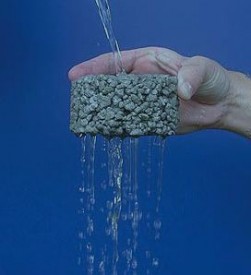
But no, this is better; a type of concrete that actually lets rain water and other liquid runoff through to the soil beneath, preventing flash floods, bad puddling and worse erosion:
Permeable pavement can make old-school road engineers and pavement builders anxious. To them, the idea of water seeping through roads like they’re made of Swiss cheese just doesn’t seem right. Water runs off roads, not through them. Or at least it used to.
In the Northwest, there’s a growing acceptance of the use of pervious concrete and porous asphalt for roads, sidewalks, parking lots, and driveways. The unconventional pavement does a great job reducing the amount of polluted stormwater runoff that damages homes, streams and lakes. Instead of gushing from the roads carrying a slug of toxic chemicals, the water seeps through small pores in the pavement, soaking into the gravel and dirt beneath the road. Some of the pollutants get trapped inside or beneath the pavement, or are consumed by organisms living in the ground below it.
Those who’ve used the pavement praise the technology. Advocates can be found around the region, including a 32-acre eco-friendly development near Salem called Pringle Creek, where all of the roads and alleys were built with porous asphalt.
Read more at: The Porous Road Less Traveled | Sightline
I’ve heard of this technology being used in driveways with great success, so it’s nice to hear it being used in larger applications.
Related articles
- Going Green for Your Driveway (livinggreenandsavingenergy.com)
- 6 Signs that Mark the Path to Sustainable Road Design (environmentalleader.com)
- Think twice before sealing your driveway… (greenflbroker.com)

 Mental Flowers