behavior · Nature · Social

Awakening Our Species to Nature Through the Eyes of Children

It’s written a bit like a public service announcement, but I still appreciate this article written by Izilwane, a non-profit group that deals with biodiversity internationally (full disclosure: I have contributed a free article to this group about research I have done on informal education. You can read it here), and featured on National Geographic News:
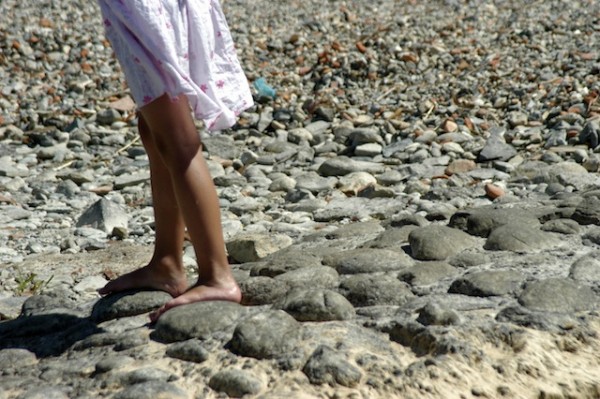
Children see the world through innocent eyes, eyes that see the unique beauty in even the most unimpressive puddle. To them, a tree is not just a plant but an entire jungle gym of adventure; a small plot of pines is not just a barrier between yards but an entire forest full of mystical creatures; a day at the beach is never simply sun and sand but the search for pirate treasure and lost shipwrecks.

By nurturing our species’ youngest members, by encouraging them to play outside, we are not only bolstering their imaginations but also encouraging creative problem solving, better concentration and social development. Kids who enjoy nature also grow up with an innate sense of responsibility and respect for the environment and all it has to offer.

How do we reconnect our youth with nature? How do we continue to teach our kids the importance of protecting our wild places? How do we reinvigorate children’s enthusiasm for playing outside? Here at Izilwane, we’re trying to combat the ever-growing apathy toward nature and provide youth – and those who work with them – with tools they can use to both learn and teach: a comprehensive and ever-growing list of resources for teachers; a story corner, which will feature anecdotal tales of youth connecting to nature; photo and video galleries that illustrate Izilwane’s work with students from around the world; and articles that highlight some of the strategies international educators are using to reach out to local children.

Read more at:  Awakening Our Species to Nature Through the Eyes of Children.

I think they make a very good point about the importance of getting kids involved and engaged with animals and biodiversity at an early age. Not only does it help cultivate more empathy for animals and an appreciation for biodiversity, it’s also good for kids to learn about their environments and nature in order just to understand how the world works.

anthropology · behavior · community · Uncategorized

Getting the locals on board is key to conservation

An ethnic Adivasi woman from the Kutia Kondh t...
You're looking at the face of sustainable conservation. Image via Wikipedia

Great post from the Human Directions of Natural Resource Management:

Indigenous peoples are key to preserving the world’s forests, and conservation reserves that exclude them suffer as a result, according to a new study from the World Bank.

Its analysis shows how deforestation plummets to its lowest levels when indigenous peoples continue living in protected areas, and are not forced out.

Across the world millions of tribal people are conservation refugees, but the World Bank says its evidence shows ‘forest conservation need not be at the expense of local livelihoods.’

Using satellite data from forest fires to help indicate deforestation levels, the study showed rates were lower by about 16% in indigenous areas between 2000-2008.

Read more at It’s Official – The Key To Conservation Lies With Indigenous Peoples

This is something Woodland Park Zoo, Izilwane, and many other non-profit organizations have been working on for years, so it’s nice to see the World Bank back them up.

So, the next question is what can be done to support local, indigenous groups to protect and care for their natural surroundings? Most groups want to preserve their environments and keep them handy for the next generation, but it is simply economically not viable, at least not how they see it.

environment · Nature

Last Tourist in the Woods – Health and Financial Benefits of Outdoor Tourism | LandLopers

I’m dreaming of warm sandy beaches, or high mountain meadows, and realized it’s been awhile since I’ve gone on a good, solid, outdoors-focused vacation. Apparently I’m not the only one. From the magazine Landlopers, introduced to me by the non-profit environment-and-culture group Izilwane

For more than a decade, visitation numbers at America’s National Parks have been dropping steadily. At first glance, the numbers are encouraging, around 280 million visitations in 2010. Impressive until you peel back the numbers and realize that this includes everything from people driving along the Blue Ridge Parkway to the annual Cherry Blossom Festival attendees. The actual number of people who hike, boat, fish or paddle is much lower, and that number is not increasing.I’m not sure for the drop in numbers, but it’s disheartening. I’m just as guilty as anyone about not visiting our common inheritance nearly as often as I should.

Night sky while camping from Landlopers

more via Last Tourist in the Woods – Health and Financial Benefits of Outdoor Tourism | LandLopers.

More and more people are discovering the importance of interacting with the outdoors, even in small doses like walking down a tree-line street. And now, the one plus-side of our current Federal and State funding in a crisis is that a lot of national and state parks are offering deals to entice visitors; so aside from supporting your parks and the economy, it’s a good time to think about vacationing in the great outdoors.