anthropology · disease · health

Rise in Allergies and Asthma could be related to biodiversity loss | The Izilwane Blog

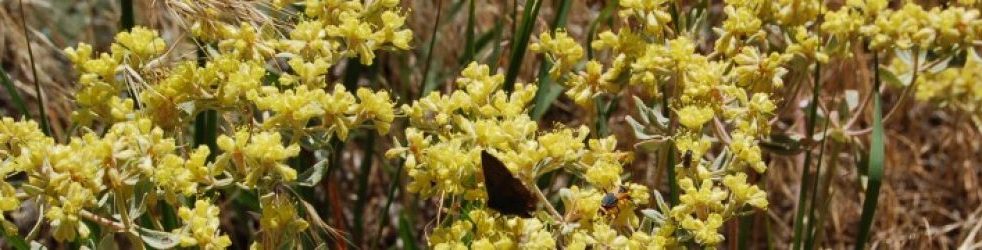
A recent Finnish research study suggests that a decline in biodiversity in the plants, animals and microbes in our daily environment may be linked to rising rates of allergies and asthma.Researchers studied 118 Finnish teenagers and found links between a healthy immune system, growing up in more rural or natural setting, and the presence of certain skin bacteria.This idea supports the biodiversity hypothesis – the idea that an environment with a diverse population of living things including microbes – is important for the development of a normal immune system in children. You may have heard of a similar idea, the hygiene hypothesis, suggesting that being exposed to microbes early in life trains our immune systems not to respond to harmless microbes or foreign substances like pollen. The hygiene hypothesis suggests that we have become too clean for our own good.Increasingly, scientists and researchers are realizing that we know less about many of the microbes that are in our environment, on our skin and inside our bodies. Nor do we know how they affect our health and bodily functions.

more via Rise in Allergies and Asthma could be related to biodiversity loss | The Izilwane Blog.
behavior · Nature · Social

Awakening Our Species to Nature Through the Eyes of Children

It’s written a bit like a public service announcement, but I still appreciate this article written by Izilwane, a non-profit group that deals with biodiversity internationally (full disclosure: I have contributed a free article to this group about research I have done on informal education. You can read it here), and featured on National Geographic News:

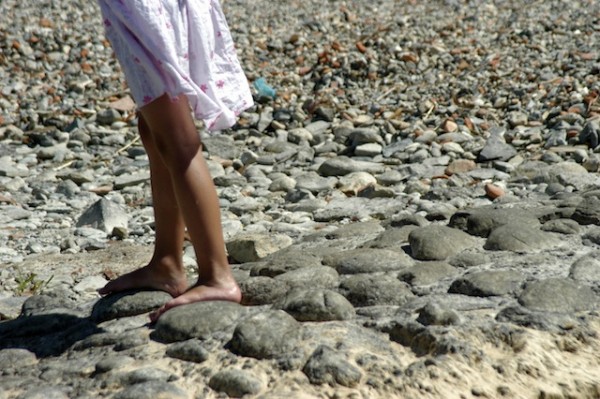
Children see the world through innocent eyes, eyes that see the unique beauty in even the most unimpressive puddle. To them, a tree is not just a plant but an entire jungle gym of adventure; a small plot of pines is not just a barrier between yards but an entire forest full of mystical creatures; a day at the beach is never simply sun and sand but the search for pirate treasure and lost shipwrecks.

By nurturing our species’ youngest members, by encouraging them to play outside, we are not only bolstering their imaginations but also encouraging creative problem solving, better concentration and social development. Kids who enjoy nature also grow up with an innate sense of responsibility and respect for the environment and all it has to offer.

How do we reconnect our youth with nature? How do we continue to teach our kids the importance of protecting our wild places? How do we reinvigorate children’s enthusiasm for playing outside? Here at Izilwane, we’re trying to combat the ever-growing apathy toward nature and provide youth – and those who work with them – with tools they can use to both learn and teach: a comprehensive and ever-growing list of resources for teachers; a story corner, which will feature anecdotal tales of youth connecting to nature; photo and video galleries that illustrate Izilwane’s work with students from around the world; and articles that highlight some of the strategies international educators are using to reach out to local children.

Read more at:  Awakening Our Species to Nature Through the Eyes of Children.

I think they make a very good point about the importance of getting kids involved and engaged with animals and biodiversity at an early age. Not only does it help cultivate more empathy for animals and an appreciation for biodiversity, it’s also good for kids to learn about their environments and nature in order just to understand how the world works.

behavior · community · environment · health

Sustainable Food – James Gorman on Eating Invasive Species – NYTimes.com

Trashwiki.org logo.
A happy Freegan; Image via Wikipedia

Happy New Year! Time for New Year’s resolutions. Mine? To eat more healthy. And apparently so it is for these guys, as well as help the environment. Not to sound like my dad here, but I was doing this before it was cool!:

There’s a new shift in the politics of food, not quite a movement yet, more of an eco-culinary frisson. But it may have staying power; the signs and portents are there. Vegans, freegans, locavores — meet the invasivores.

more via Sustainable Food – James Gorman on Eating Invasive Species – NYTimes.com.